
Speaking about immersion in any form, game or life-related one, temptation is always in detail. This becomes especially evident when talking about premium hospitality and service, as all components of the experience need to complement each other. The very interaction, environment, and event make for harmony and immersion. There are many examples of such experiences in game design, but real life also has an example, the Biltmore Mayfair Hotel.
The Lobby as a Game Hub
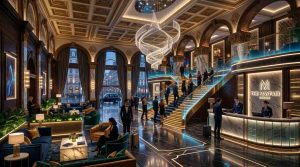
In some video games, the hub world is the starting point of the game. It is a place where they are introduced, engaged and prepared for their journey. Another such place is the lobby of Biltmore Mayfair Hotel.
The moment patrons enter into the hotel, they come across an environment that creates an ambience. The lights, positioning and overall ambience are like the cues given in games. Much like a game’s hub, the hotel’s entrance is a critical element that keeps guests engaged from the start.
Level Design and Room Experience
Designers invested their time to have an assurance of fun and enjoyable game levels. This is comparable to the complex process of designing every room at the Biltmore Hotel.
The progress of the player to the next level is similar to the entry of guests in a more private and cozy environment. It is a very straightforward design that makes use of the ease of use feature. Lighting, furniture, and technology blend in well to aid but not detract from the user experience.
This is similar to “player-friendly” design where everything works in harmony for the benefit of the user.
NPCs and Service Interaction
Non-playable characters are important because they help, educate, and make the narrative of the game better. The hotel staff members have the same function, only that their reality is much more complicated than that of the NPCs.
At The Biltmore Mayfair Hotel, service is organic and authentic. Employee engagement is not fixed and rigid, but flexible, just like AI interactions in video games. Whether they come up with suggestions on their own or even anticipate the guest’s needs beforehand, such engagement helps provide an added benefit.
Reward Systems and Guest Satisfaction
An essential part of game design is rewarding the player, they are motivated by accomplishment, advancement and encouragement. In hotels, this can be seen as surprise delights.
Biltmore Mayfair Hotel offers guests these “rewards” through small elements such as being remembered by their names and luxurious elements that enhance guest satisfaction. This strategy helps create a feeling of accomplishment among guests. It is an encouragement for the guests to revisit similar to how gamers go for the next level by playing continuously.
Immersion Through Environment
Engaging into another dimension is one of the crucial characteristics of the game. It is important to maintain the consistency of the plot, presentation, and mood to experience the momentum. The coherent architecture of Biltmore Mayfair also produces this one-of-a-kind feature. You will find coherency in everything at the hotel, from the decor up to the background music.
The goal of having a coherent design is for the guests not to be distracted. This makes them engage themselves into a relaxing environment. With that, quality service and hospitality may arise.
Weighing Between Complex and Simple
Gamers must consider both the game’s complexity and simplicity as an important feature to look for. Remember that too many features can be empowering, while too few can look boring.
The Biltmore Mayfair Hotel does it well. It has advanced facilities and services, which are delivered in such a simple manner that even an average person would not find it difficult. This rule reflects the concepts of game design as well, as they also highlight simplicity for better gaming.
Co-op: A Social Activity
Multicategory multiplayer is another important element in many games, creating a chance for the users to interact and communicate. It is similar to the social interaction provided by Biltmore Hotel.
The guests may communicate with others while enjoying a luxurious yet comfortable ambience through multiplayer spaces. For instance, bars, hotel restaurants, and event rooms may facilitate such activities. These group activities make the experience richer, adding to its richness.
Making a Lifetime Experience
But even once the game is over, good games are not forgotten. So too with excellent hospitality.
At the Biltmore Mayfair Hotel, they create an experience that goes beyond when the guests leave the hotel. They remember their experience and will most probably come back or refer others to it. This is the signature of both good games and excellent service.
Continue the Experience
If you wish to understand more how immersion creates user involvement, then you should also consider: How Video Games Benefit Both Kids and Adults. This post offers a better understanding of the link between the two worlds.
Conclusion
This hotel stands as one of the finest examples that illustrate the concept of game designing in the domain of high-end hospitality and services. Each interaction at this place takes place in such a way that it seems to be an immersive and interactive experience.
As in any good game, it attracts people, engages them and makes lasting impressions. It is indeed one of the finest examples of design in both gaming and tourism sectors.