
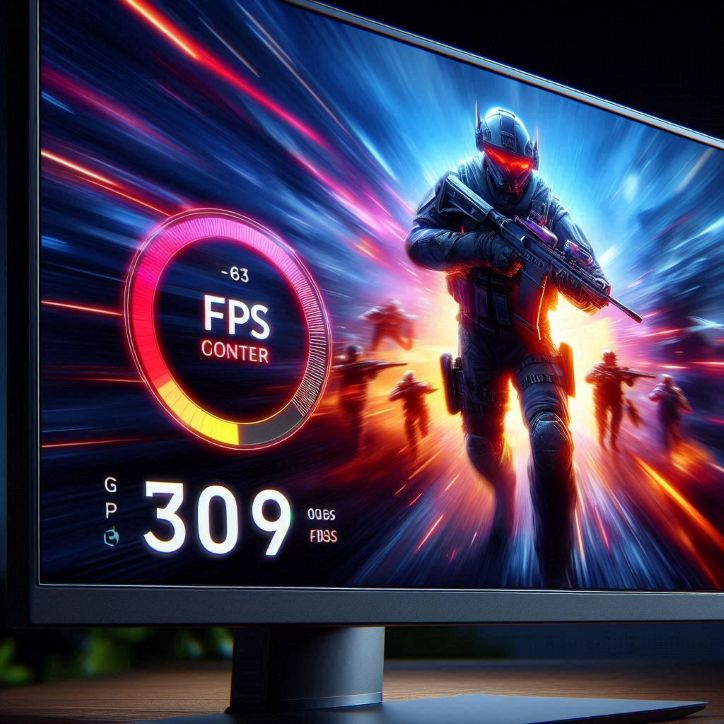
High frame rates directly impact player performance, especially in fast-paced shooters where milliseconds decide outcomes. Research from NVIDIA shows that higher FPS reduces system latency and improves target tracking, giving players a measurable edge in competitive scenarios. That edge is not just technical, it is felt in every flick shot, every clutch moment, every chaotic team fight.
Spend five minutes in any competitive lobby and you will hear players talk about settings like they are trade secrets. Guides focused on fps optimizations for cs2 have become essential reading, almost like pre-game rituals. They break down what actually matters, from disabling motion blur to tweaking launch options. It sounds simple, but those small adjustments can turn a stuttering match into something smooth and predictable.
Why FPS Feels Like Everything
Frames per second shape how the game feels in your hands. Higher FPS means smoother motion, which makes tracking enemies easier. Lower FPS introduces stutter, and that tiny hiccup can throw off your aim just enough to lose a duel.
There is also the reaction time factor. A study highlighted by Intel found that increasing frame rates reduces the delay between player input and on-screen action. That delay, often called input lag, is the silent enemy of competitive gamers. You might click first, but if your system responds slower, you still lose.
Anyone who has played on a struggling system knows the pain. You swing a corner, see an enemy, click, and then, nothing. Or worse, a delayed response. It feels unfair, even when it is just your hardware holding you back.
Common Tweaks Players Swear By
Optimization is not magic, it is a collection of small, smart decisions. Competitive players often strip their settings down to the essentials. Fancy shadows and reflections look great in screenshots, but during a match, they are distractions.
- Lowering resolution or using stretched resolution for better visibility
- Disabling motion blur, depth of field, and unnecessary effects
- Adjusting NVIDIA or AMD control panel settings for performance
- Using launch options to prioritize CPU performance
- Closing background apps that eat RAM and processing power
Some players even joke that their game looks like it came from 2005. And honestly, they are fine with that. Smooth gameplay beats pretty graphics every single time.
There is also a psychological side. When your game runs consistently, you trust it more. That confidence changes how you play. You peek faster, commit to fights, and rely on muscle memory instead of second-guessing your system.
The Role of Low Latency in Esports
Latency is not just about internet speed. System latency, the delay between your input and the game responding, plays a huge role. Organizations like Riot Games have emphasized the importance of low-latency environments in maintaining competitive integrity, especially in professional tournaments.
Modern tools like NVIDIA Reflex are designed specifically to reduce this delay. Data published by NVIDIA indicates that Reflex can cut system latency by up to 50 percent in supported titles. That is massive when you consider how fast engagements happen in tactical shooters.
Think about a one-on-one duel. Both players see each other at almost the same time. The one with lower latency often gets their shot registered first. It is not always about skill at that point, it is about responsiveness.
Hardware Still Matters, But It Is Not Everything
There is a common myth that you need the most expensive setup to compete. That is not entirely true. A well-optimized mid-range PC can outperform a poorly configured high-end machine. And it is not just about components either. Small changes in your environment, like gaming setup comfort improvements, can make a real difference in how long you stay focused and consistent. A clean, supportive chair, for example, helps reduce fatigue and keeps your posture in check during long sessions, which directly affects performance over time.
Sure, better hardware helps. A faster CPU, a capable GPU, and enough RAM all contribute to stable performance. But optimization bridges the gap. Experts from PC Gamer often highlight that proper configuration can unlock hidden performance without spending a single dollar.
I once saw a player go from constant stutter to a steady 144 FPS just by updating drivers and adjusting in-game settings. No upgrades, just smarter setup. That is the kind of improvement that changes how you experience the game.
Why Optimization Guides Keep Growing
Games evolve. Updates introduce new features, new bugs, and new performance challenges. What worked last year might not work today. That is why performance tuning guides keep popping up and getting updated.
Players are always searching for smoother gameplay, better frame pacing, and reduced lag. Whether it is tweaking graphics or fine-tuning system settings, the goal stays the same, consistency. Competitive shooters demand it.
And let us be real, there is something satisfying about squeezing extra performance out of your setup. It feels like finding hidden potential, like your system had more to give all along.
Conclusion
Higher FPS does more than make a game look smooth. It improves reaction time, reduces input delay, and builds player confidence. Optimization guides exist because they work, plain and simple.
From adjusting graphics to refining system settings, these tweaks turn average performance into something reliable. Competitive players understand that consistency wins matches, not flashy visuals. Whether you call it performance tuning, system tweaking, or frame rate optimization, the idea remains the same, control every advantage you can. Because when the moment comes, and it always does, you want your aim to miss because of you, not your PC.



 When most people think of video games, they picture screens, consoles, and hours of fun. But for some gamers, the love for gaming goes beyond the virtual world. It shows up in unexpected places—like their Suitcases Ireland 10kg collection. Yes, you read that right. Video-game-themed suitcases are becoming a real thing, and they’re turning heads at airports.


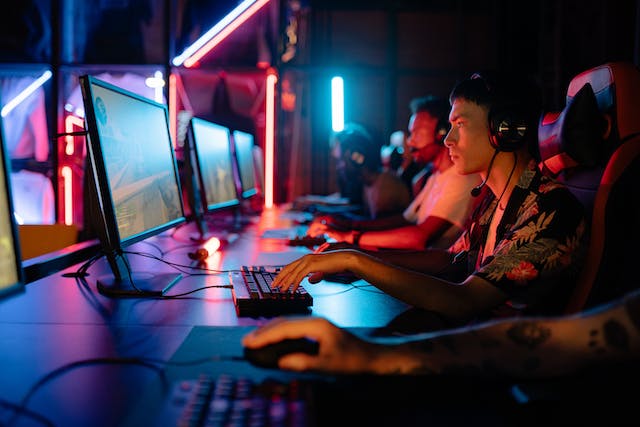



 In recent years, esports has grown in popularity and established itself as a legitimate competitive industry. From professional leagues to massive tournaments with millions of dollars in prizes, esports has come a long way since its humble beginnings, these are facts about technology.

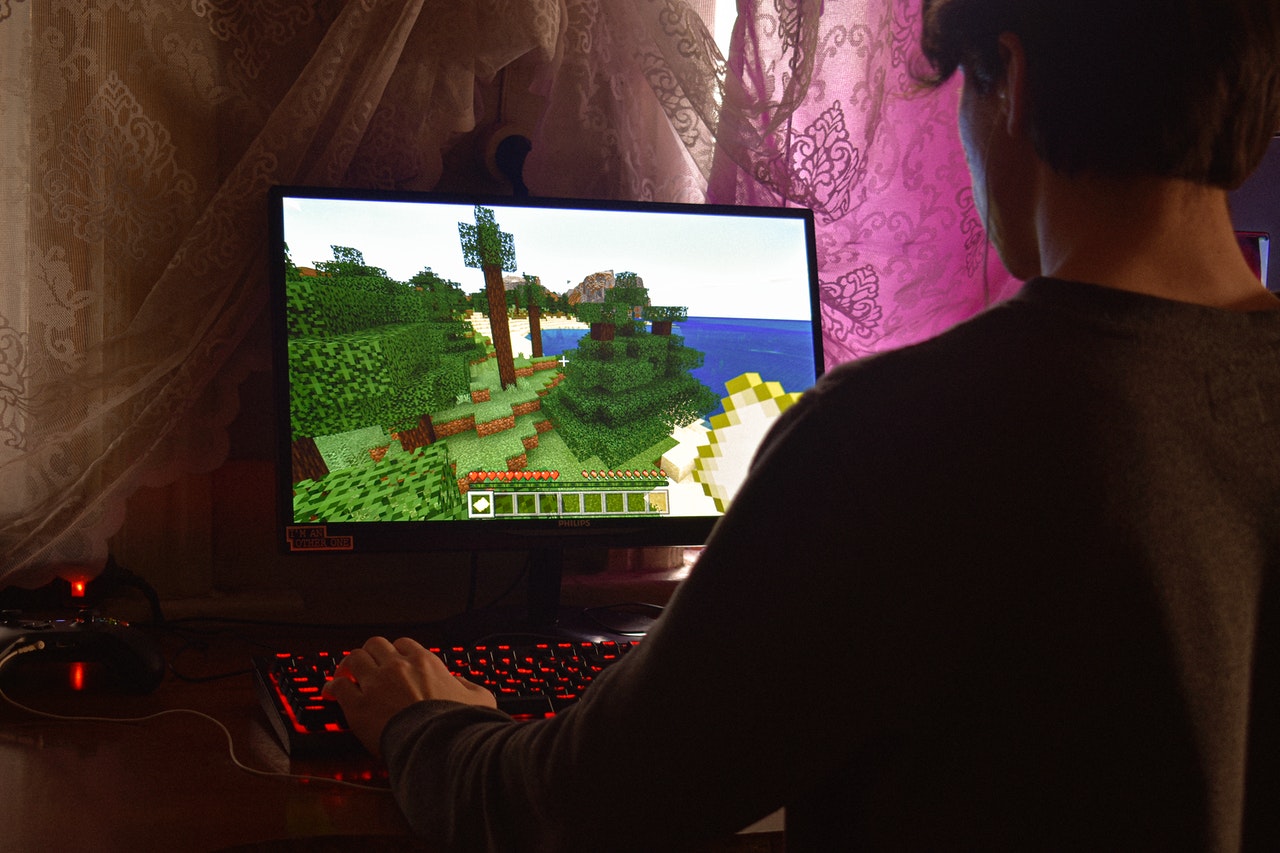

 Social media consists of websites, platforms, and applications that enable and allow people to share information and ideas online. These computer and web-based networks give users an easy-to-use, quick and electronic way to send and receive content, such as documents, photos, and videos.
  Social Media As Marketing Tool And Channel – Boost SMM Efforts With SMM Panel India
 Gamers Active On Social Media
 The latest report from Statista indicates that video gaming usage is set to increase by 38% by the end of 2022, to rise further in year 2027 by 42.3%.
 In 2021, Indonesia’s video game sector generated a total of $1.92 billion in gaming revenues, which predominantly came from users of Android-supported mobile gaming devices.
 While video gaming is already the leading form of entertainment in Indonesia, it all the more became prevalent as a result of the shutdown and stay-at-home orders during the coronavirus outbreak.
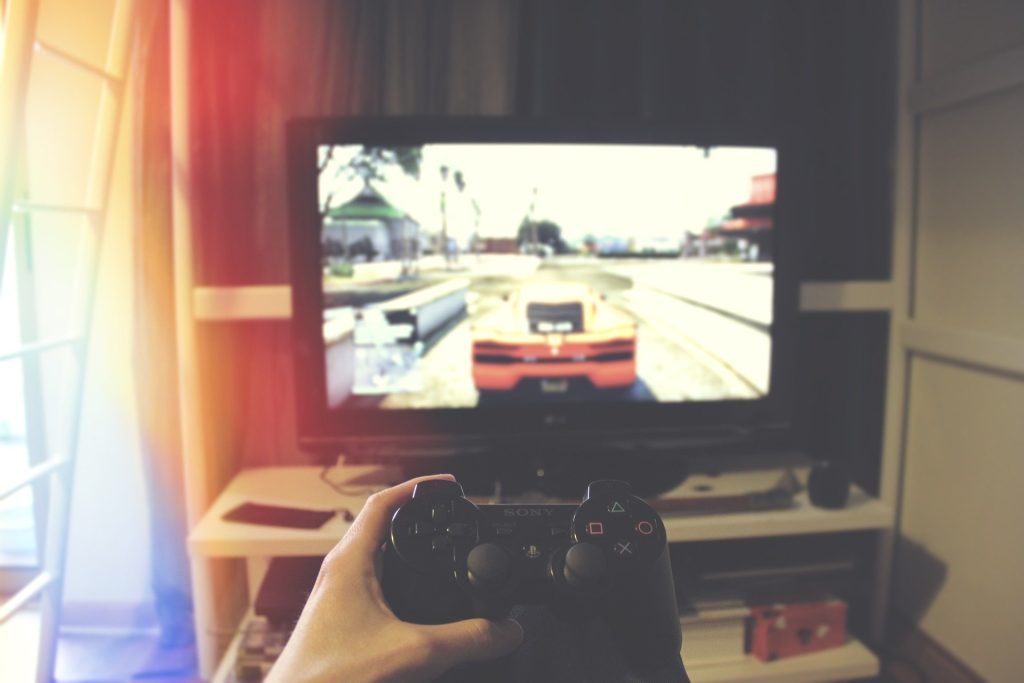 There are many ways to earn money from


 The modern world opened everyone’s eyes that we can all enjoy and be entertained even without physical activities. How?
 Technology and the Internet is an incredible combination. With easy access to the online space, consumers can now effortlessly purchase different products and services available in the market, whether local or global.
 Improve Driving Skills And Brain Function With Car Racing Video Games