Zero carbon building glass represents the cutting edge of sustainable construction technology. This innovative technology has incorporated advanced materials and manufacturing processes to minimize environmental impact throughout its entire lifecycle.

In a parallel way, digital gaming environments, particularly post-apocalyptic survival games, explore how individuals respond to extreme conditions, albeit in virtual form. Both realms emphasize resilience, adaptation, and strategic decision-making, whether in reducing a building’s carbon footprint or surviving in a digitally simulated hostile world

Survival Mechanics in Harsh Virtual Environments

Post-apocalyptic survival games challenge players to navigate hostile worlds where every decision carries life-or-death consequences. These immersive experiences simulate extreme environmental conditions that test player adaptability and resourcefulness in ways that mirror real-world survival scenarios.

Players must constantly monitor vital statistics including health, hunger, thirst, and shelter integrity while scavenging for essential supplies. The harsh realities of a devastated world create tension that keeps players engaged through genuine fear of permanent character loss.

Environmental hazards such as radiation zones, toxic storms, and temperature extremes force players to plan carefully and utilize available resources efficiently. These mechanics create meaningful gameplay decisions where risk versus reward calculations become central to progression.

Weapon Systems and Combat Dynamics
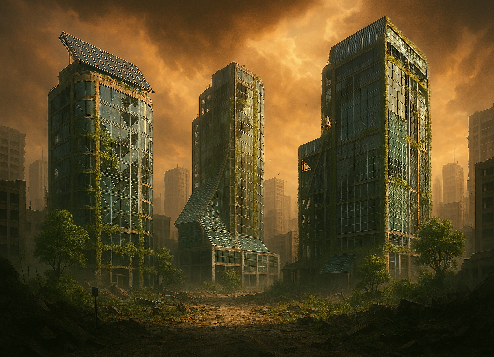
With First-Person Shooter (FPS) games, the elements in its survival will demand the most powerful weapons. Players must maintain firearms with limited ammunition and repair parts, creating strategic depth beyond simple shooting mechanics.

Then, crafting systems make it possible for players to make their own weapons by simply using the scrap materials they gathered. In the process, the game encourages players to explore the map, and learn more about their avatars. The process of converting everyday objects into survival tools adds authenticity to the post-apocalyptic setting while providing satisfying progression mechanics.

Resource Scarcity and Strategic Planning

Combat encounters become more meaningful when ammunition is scarce and medical supplies are precious commodities that players must carefully conserve for critical situations.

Base Building and Fortification Systems

Establishing secure shelters becomes essential for long-term survival in hostile environments. Players must balance the need for protection against resource investment, creating meaningful trade-offs between immediate safety and future expansion capabilities.

Fortification mechanics involve multiple building materials with different defensive properties and resource costs. Stone provides excellent protection but requires significant effort to gather, while scavenged metal offers moderate defense with easier acquisition but limited durability over time.

The construction process itself becomes part of the survival challenge, as players must venture into dangerous areas to gather materials while maintaining awareness of environmental threats and hostile entities that could compromise their building efforts.

Multiplayer Cooperation and Conflict

Social dynamics add complexity to survival scenarios when other players can choose cooperation or betrayal based on resource scarcity and territorial disputes. Trust becomes a valuable commodity that players must carefully distribute among potential allies.

Trading systems emerge naturally as players specialize in different survival skills and resource gathering techniques. Some players focus on weapon crafting while others develop expertise in food production or medical supply creation, fostering interdependence that creates interesting social gameplay dynamics.

In recent years, the gaming industry has witnessed a remarkable shift with the rise of indie games. These independently developed games have not only captured the attention of gamers worldwide but have also revolutionized the landscape of gaming. Simultaneously, a similar transformation has unfolded in the Vancouver web design scene. Independent web designers and developers are changing the digital landscape by competing with well-established design businesses by providing fresh and inventive methods to website development, much as indie games are challenging the dominance of big-budget productions. This parallel evolution underscores the broader trend of democratization and diversification within creative industries, where smaller, more agile players can make significant impacts alongside larger, traditional entities.

The Rise of Indie Games

Indie games, short for independent games, are developed by lone individuals or small teams without the financial support of large publishers. Unlike traditional AAA titles, indie games prioritize creativity, innovation, and artistic expression over commercial success. The emergence of online distribution channels such as Steam and itch.io and the rise of crowdfunding platforms such as Kickstarter have played a significant role in democratizing game development, making it more accessible to aspiring developers.

Empowering Small Developers

Indie games empower small developers in various ways.

Given the availability of platforms and tools for game production, developers can bring their creative visions to life without a large budget or extensive resources. They have the freedom to experiment with unique gameplay mechanics, art styles, and storytelling techniques, unrestricted by the demands of mainstream publishers. Additionally, the indie game development community offers valuable support, collaboration opportunities, and mentorship, fostering a culture of creativity and innovation.

Fostering Niche Gaming Communities

Indie games cater to niche interests and underserved audiences, building lively communities around distinctive gaming experiences. From narrative-driven adventure games to unconventional puzzle platformers, indie games explore diverse themes, genres, and art styles that appeal to niche gaming enthusiasts. These games often cultivate dedicated fan bases who actively engage with developers, provide feedback, and contribute to the growth of the indie game community. Indie game events, festivals, and online forums further facilitate connections and collaborations within niche gaming communities, celebrating the diversity of indie game culture.

The indie game revolution has democratized game development, empowering small developers to create innovative and unique gaming experiences. Indie games have shaped the gaming business by creating specialized communities and valuing innovation above profit.

Without a doubt, gaming technology has come a long way, with early arcade games featuring pixelated sprites, while modern-day consoles and PCs boast stunningly realistic graphics. The evolution of gaming technology has been remarkable, and it continues to push the boundaries of what is possible. Players can access various games on specific platforms or if they want to, watch movies that are inspired by these video games.

Diverse Genres and Experiences

The gaming world offers an incredible range of genres and experiences that can captivate players. Whether you prefer fast-paced shooters, mind-bending puzzle games, or immersive role-playing adventures, there’s something for everyone in this industry. From small indie creations developed by passionate teams to large-scale productions by major studios, the gaming landscape is incredibly diverse and always offers something new and exciting.

The Rise of Esports

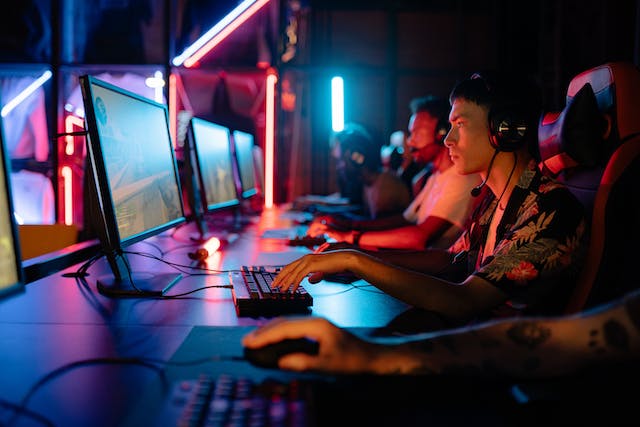
The popularity of esports has grown significantly in recent years, turning gaming from a casual activity to a competitive and spectator sport watched by millions worldwide. Professional players now participate in tournaments to gain fame, fortune, and recognition, causing esports to become a worldwide sensation with a dedicated fanbase and valuable sponsorship deals. 

Esports includes games like Counter-Strike, Overwatch, League of Legends, and Dota 2. As a result, esports attracts players and viewers from different backgrounds and lifestyles.

The Social Aspect of Gaming

Playing games is not only about playing alone but also about socializing and making friends through shared experiences. Whether you’re joining forces with your buddies to tackle a challenging boss or competing against strangers in an online multiplayer game, gaming brings people together and promotes a sense of community. 

Gamers can now connect with other players worldwide, thanks to the emergence of online gaming platforms and social media. 

They can share tactics and strategies and form meaningful relationships beyond physical boundaries.

The gaming industry is not just a form of entertainment but a dynamic medium that constantly evolves and innovates year after year. With the help of state-of-the-art technology, an array of genres, and a thriving esports scene, the gaming world provides limitless possibilities for players and enthusiasts alike.

The convergence of gambling and gaming industries has transformed entertainment, but the allure of table top RPGs like Dungeons and Dragons endures. For adventurers and storytellers, finding the best DnD dice enhances immersion and excitement with every roll. Players embark on epic journeys amid various dice sets, confident in their trusted companions for tales of heroism and adventure.

The Rise of Loot Boxes and Microtransactions

The integration of gambling and gaming through loot boxes and microtransactions in video games is a growing concern. Vulnerable individuals are put at risk as they use real money to purchase virtual items that offer random rewards, which can be highly addictive. This issue must be addressed to ensure the safety and well-being of all players.

The Blurring Line between Skill and Chance

Both are used to have clear distinctions, but now the lines are blurring. Skill-based games like poker are considered gambling, while games with chance elements are also being questioned. This poses legal challenges for regulators trying to define the boundaries between the two.

The Impact on Youth and Vulnerable Populations

Combining both can be harmful to young people and vulnerable individuals. Games with loot boxes can attract impulsive children and expose them to gambling-like experiences. At the same time, those with a gambling addiction may spend too much on microtransactions, risking financial and mental health issues.

Ethical Considerations and Responsible Gaming

Game developers and industry stakeholders must navigate ethical issues as the line between gambling and gaming blurs. Balancing profits with consumer safety requires responsible measures like disclosing in-game purchases and restricting access for minors.

Regulation and Legal Frameworks

Governments struggle to regulate the mix of gambling and gaming as technology advances faster than legislation. Some nations limit loot boxes and microtransactions, while others trust self-regulation by the gaming industry. Balancing innovation and consumer protection is a challenge.

The combination of gambling and gaming is a challenging and contentious topic that requires a thorough evaluation from all parties involved. 

Although video games offer great amusement, it is essential to acknowledge the possible hazards related to loot boxes and microtransactions, particularly for susceptible groups. Achieving a balance between originality, safeguarding consumers, and promoting responsible gaming is crucial in adapting to this dynamic industry and ensuring a secure and gratifying gaming adventure for everyone.

Do you want to add some music to your video game? It’s easier than you think! With just a few simple steps, you can turn your game into a musical masterpiece. This guide will show you how to put music into your video game, from choosing the right format, to configuring your game for audio playback.

Whether you’re a game developer looking to add some ambiance to your project, or a player looking to make your gaming experience even more enjoyable, this guide has important information you need to get the music playing in no time. Let’s get started!

Choosing the Right Music Format

Music comes in all shapes and sizes, and with so many different file types out there, it can be hard to know which to use. You might have already have some music on hand, but before you can play it in your game, you need to make sure it’s in a format your computer can understand.

This will allow you to get the music into your game’s directory, ready to be played back in-game.

Finding Music for Your Game

If you’re looking for music to add to your video game, you can find plenty of free music online. There are tons of websites dedicated to hosting Creative Commons-licensed music, ready to be downloaded and used in your game. There are also a multitude of sites that let you upload your own music for others to download. If you’re looking for a specific track, you can search for it using sites like YouTube or SoundCloud.

Going to Clubs Θεσσαλονίκη 2023 may also make you inspired to make your own music for your video game.

Setting Up a Music Player

Once all the audio files are in the game directory, and the game is configured to play them, you’re ready to test out your new music player. This is where you go through all the audio files in the game directory and play them one at a time, making sure everything is set up correctly. The first thing to do is select all the audio files in the game directory. Then, you need to select the option to play them all at the same time.

𐌢