
Entertainment Software Association data shows that gaming conventions and fan expos continue to attract hundreds of thousands of attendees each year, creating intense competition for attention on crowded exhibit floors. Indie game studios often arrive with strong ideas and creative gameplay, yet many struggle to stand out beside larger publishers with expansive booths, oversized screens, and experienced event marketing teams.
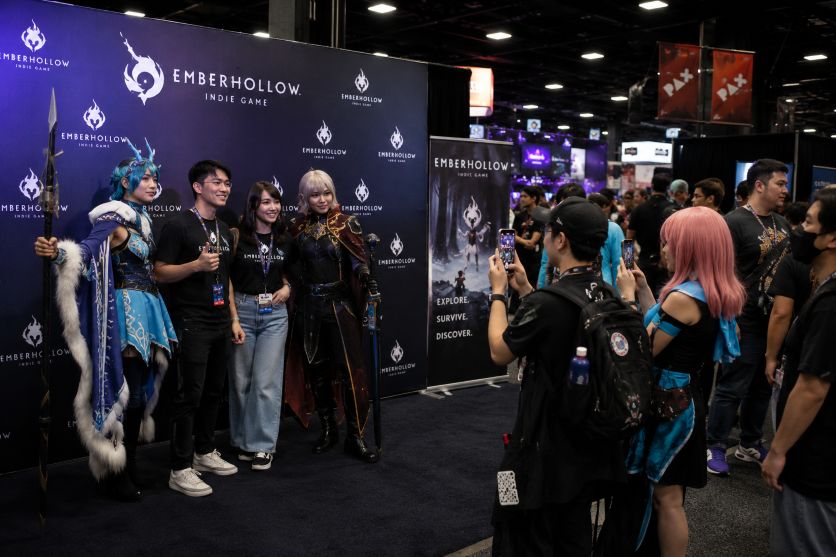
Smaller developers face a familiar problem at conventions such as PAX, Gamescom, and New York Comic Con. Limited budgets can make booths feel visually inconsistent or difficult to notice from across the venue floor. Industry observers often point to practical event-branding tools, including step and repeat banners NYC exhibitors frequently use, as examples of how simple visual systems can improve recognition and encourage attendee photography that spreads organically across social media. Rather than copying major publishers outright, indie studios can study how larger brands create memorable event experiences with clear, repeatable branding decisions.
Strong convention visibility does not always depend on expensive displays. Research from EventTrack suggests that consumers are more likely to remember brands associated with interactive and visually cohesive event experiences. For indie developers, that insight creates an opportunity. Thoughtful booth organization, recognizable imagery, and audience-friendly presentation strategies can help smaller studios compete more effectively in busy convention halls.
1. Make Your Booth Instantly Recognizable From a Distance
One common problem at gaming expos is visual overload. Rows of booths often compete with flashing monitors, bright lighting, and overlapping audio. Attendees walking quickly through crowded aisles make decisions in seconds about which displays deserve attention.
Larger exhibitors solve this by simplifying visual identity. Their booths usually rely on a limited color palette, consistent typography, and one or two focal graphics that remain visible from different angles. Indie studios sometimes make the mistake of overcrowding banners with screenshots, text, logos, and feature lists. The result can feel confusing rather than informative.
Nielsen Norman Group research on visual scanning behavior indicates that people absorb simple visual information faster than dense layouts. Indie developers can apply this principle by choosing one recognizable image or gameplay scene as the centerpiece of the booth. A clear title logo, readable signage, and cohesive artwork help attendees remember the game after leaving the expo floor.
Consistency matters as much as creativity. Matching posters, table wraps, demo stations, and merchandise designs create a more professional appearance even when the booth footprint is small.
2. Design Spaces That Encourage Photos and Social Sharing
Gaming conventions generate enormous amounts of user-created content. Cosplay photography, gameplay reactions, and developer meetups often spread across TikTok, Instagram, and X within hours. Data from Sprout Social shows that visually engaging event content receives significantly higher interaction rates than standard promotional posts.
Large entertainment brands understand that attendees effectively become unpaid marketers when booths are designed with photography in mind. Clean backdrops, branded walls, themed props, and recognizable symbols encourage visitors to stop and take pictures.
Indie studios can apply the same strategy without major production budgets. A compact photo area featuring game-inspired artwork or character imagery can create memorable attendee moments. Branded backgrounds work particularly well because logos remain visible when images circulate online after the convention ends.
The goal is not to force promotion. Instead, it is to create an environment people naturally want to document. Attendees are more likely to share experiences that feel immersive, visually distinct, or playful.
Simple adjustments can make a major difference. Better lighting, cleaner spacing, and organized branding often improve photo quality more than expensive decorations.
3. Focus on Clear Messaging Instead of Explaining Everything
Indie developers are passionate about their projects, which sometimes leads to information overload at conventions. Booth signs may attempt to explain lore, gameplay mechanics, development history, multiplayer systems, and platform availability all at once.
Major publishers usually approach messaging differently. Their event displays focus on one central idea. Visitors immediately understand whether a game is competitive, story-driven, cooperative, or horror-themed within seconds of approaching the booth.
Harvard Business Review has published findings showing that concise messaging improves audience recall in crowded environments where attention spans are limited. Expo halls represent exactly that type of environment.
Indie studios benefit when they identify the single strongest hook of their game and make it visible immediately. A short tagline or descriptive phrase often communicates more effectively than multiple paragraphs of explanation.
For example, a survival game might highlight tension and exploration rather than attempting to summarize every crafting mechanic. A puzzle title might emphasize creativity or humor instead of listing all available levels.
Clear messaging also helps booth staff communicate more naturally with attendees. Rather than reciting lengthy descriptions, developers can begin conversations with a straightforward introduction that invites curiosity.
4. Create a Comfortable Booth Experience for Visitors
Convention fatigue is real. Long lines, loud sound systems, crowded walkways, and hours of standing can quickly overwhelm attendees. Booths that feel welcoming often attract more sustained attention than visually chaotic spaces.
Center for Exhibition Industry Research studies indicate that attendee engagement increases when exhibits support easier movement and comfortable interaction. Large companies frequently incorporate open layouts, visible demo stations, and clear pathways to reduce friction.
Indie booths sometimes unintentionally create barriers by placing equipment too close together or blocking sightlines with oversized displays. Even small adjustments can improve accessibility and visitor flow.
Developers should consider how attendees physically interact with the space. Is gameplay visible to passersby? Can multiple people watch without crowding the demo station? Is the booth easy to approach from different directions?
Comfort also affects conversation quality. Friendly lighting, manageable audio levels, and organized setups help visitors stay longer and engage more meaningfully with the developers behind the game.
Many successful indie booths prioritize clarity and interaction over spectacle. That approach often feels more authentic to attendees seeking personal connections with creators.
5. Treat Branding as a Long-Term Identity System
Some indie studios view convention branding as a temporary requirement tied only to a specific event. Larger entertainment companies usually think differently. Their booth graphics, merchandise, trailers, websites, and social accounts all reinforce a unified visual identity.
This consistency builds familiarity over time. Research from Lucidpress found that consistent branding presentation can significantly improve revenue and audience recognition across industries. While indie developers may operate on smaller scales, the same psychological principle applies.
Expo materials should connect naturally with online platforms, storefront pages, and future marketing assets. Fonts, colors, logos, and artwork styles become easier for players to recognize after repeated exposure.
Consistent event presentation also helps media coverage. Journalists, streamers, and influencers moving quickly through convention floors are more likely to remember booths with recognizable visual systems.
Brand continuity does not require massive spending. It requires planning. Even affordable display graphics, coordinated merchandise, and reusable promotional materials can strengthen recognition across multiple events throughout the year.
READ ALSO: Leveling Up: How Video Games Thrive on Instagram
Conclusion
Gaming expos remain highly competitive spaces where visibility can influence press coverage, player interest, and long-term community growth. Indie studios often face the challenge of competing with larger publishers that have greater resources and more elaborate displays. Yet many of the most effective event-branding strategies are rooted in clarity, consistency, and audience experience rather than scale alone.
Lessons drawn from convention branding practices show that recognizable visuals, shareable booth environments, concise messaging, attendee comfort, and consistent identity systems all contribute to stronger event presence. Branded photo backdrops, coordinated exhibit graphics, and organized visual layouts can help smaller developers create memorable experiences without overwhelming their budgets.
As gaming conventions continue evolving into hybrid entertainment and social media events, indie studios that approach booth branding strategically may find it easier to attract attention, encourage online sharing, and build stronger connections with players long after the expo floor closes.