
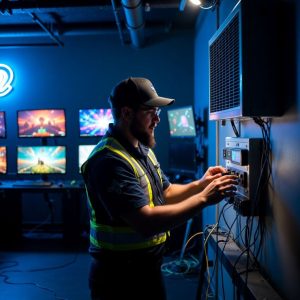
High-performance gaming setups generate enormous amounts of heat, especially when dozens of computers, consoles, and LED screens are running at once. This makes temperature control one of the toughest challenges for esports arenas and gaming lounges. A well-designed HVAC system ensures both players and spectators stay comfortable, even when the competition gets intense.
Proper ventilation, humidity balance, and temperature zoning are key to creating a reliable environment where technology and comfort meet. Many professional venues rely on BPM heating, cooling & plumbing to manage their air systems efficiently, helping them maintain ideal conditions for tournaments and 24-hour gaming operations.
1. Understand the Unique Heat Load
Gaming arenas face extreme heat loads that go far beyond what’s typical in commercial spaces. Each gaming PC or console can release hundreds of watts of heat, multiplied by dozens or even hundreds of units. Add players, lighting, and spectators, and the total load can skyrocket. Calculating these factors accurately helps ensure the HVAC system can handle maximum demand without overworking or short cycling. For readers interested in how heating impacts gameplay during colder months, this resource, how cast iron radiators enhance winter gaming sessions, offers useful context.
2. Prioritize Air Quality and Circulation
Good air quality is vital when many people share a confined space for long hours. Proper ventilation removes excess carbon dioxide, odors, and airborne particles. Installing high-efficiency filters, fresh air exchangers, and dehumidifiers keeps the environment healthy and comfortable. When humidity is controlled, equipment also performs better and lasts longer.
3. Invest in Cooling Redundancy
Downtime during a tournament is a nightmare for organizers and players alike. Backup cooling systems, such as split units or portable chillers, can save the day if the main system fails. Esports events often run for hours without breaks, and even a few minutes of overheating can cause performance issues or system crashes. Building redundancy ensures operations continue smoothly regardless of unexpected breakdowns.
4. Schedule Regular Maintenance
Preventive maintenance is the best defense against HVAC failures during major gaming events. Routine filter cleaning, refrigerant checks, and system inspections can stop small problems before they disrupt gameplay. Establishing a monthly and quarterly maintenance plan helps facility managers stay ahead of repairs. It also boosts system efficiency and extends the lifespan of expensive equipment.
5. Use Zoning to Manage Hot Spots
Gaming lounges often have uneven temperature zones due to heavy hardware clustering. Zoning allows HVAC systems to focus cooling where it’s needed most. By dividing the space into multiple zones, operators can fine-tune airflow and temperature settings. This setup keeps spectators warm while keeping gaming zones cool, ensuring everyone remains comfortable throughout the event.
6. Choose High-Efficiency Systems
Energy bills can soar in 24/7 gaming centers, especially when cooling is constant. Investing in high-efficiency systems can dramatically cut operational costs. Look for units with variable-speed compressors, energy recovery ventilators, and smart thermostats. Modern systems automatically adjust output based on room occupancy and temperature, helping arenas maintain comfort without wasting energy. Consulting professionals from BPM heating, cooling & plumbing can help you find solutions that meet both your comfort and budget goals.
7. Plan for Future Expansion
Gaming centers evolve quickly, with new hardware, lighting systems, and audience zones being added over time. Designing an HVAC system with flexibility in mind ensures future upgrades won’t require major overhauls. Modular systems, scalable ductwork, and easy-to-expand units can support growth while keeping installation costs under control.
Final Thoughts
Keeping esports arenas and gaming centers at peak comfort requires strategy, precision, and foresight. From managing heat loads and air quality to ensuring redundancy and energy efficiency, every detail matters. A well-designed HVAC setup can make the difference between a smooth event and a costly disruption. Partnering with experts such as BPM heating, cooling & plumbing ensures your gaming venue is always ready for the next big tournament, no matter how intense the action gets.